In today’s fast-paced business world, staying ahead often means embracing new technologies that streamline operations and improve efficiency. For small and medium-sized businesses (SMBs), managing…
Demand planning is the process of forecasting future demand for a product or service in order to optimize inventory levels, production schedules,…
Inventory depreciation refers to the decrease in the value of a company’s inventory over time due to factors such as obsolescence, damage,…
Inventory threshold is the minimum quantity of a specific product that a business wants to have on hand at all times. The…
Discover the top 10 challenges that small business owners cannot afford to ignore in today's ever-changing business landscape. From adapting to new…
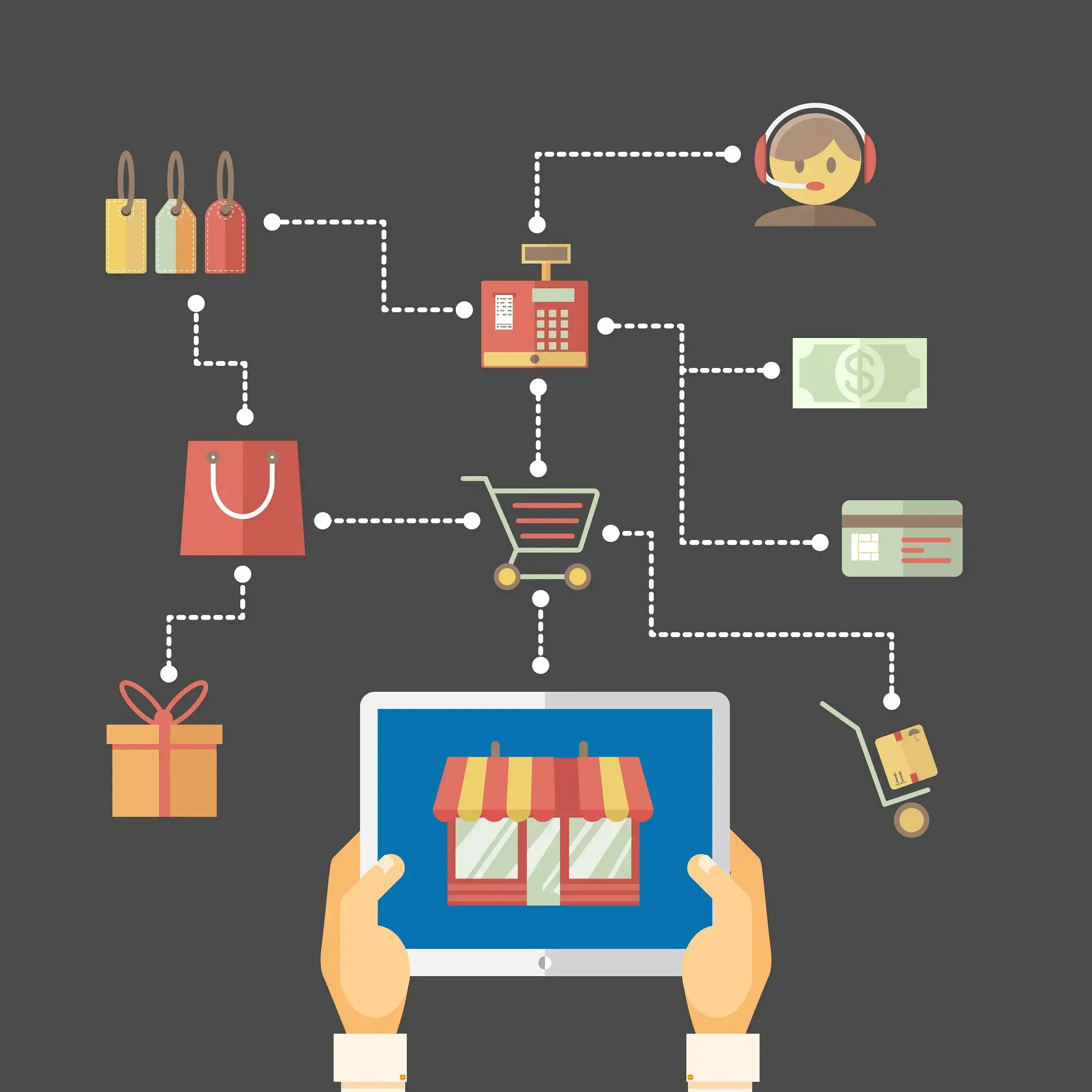
Omnichannel inventory management is the process of managing inventory across multiple sales channels, including physical stores, e-commerce websites, marketplaces, and social media…
Inventory planning is the process of deciding how much and when to order products to meet customer demand and production needs. It…
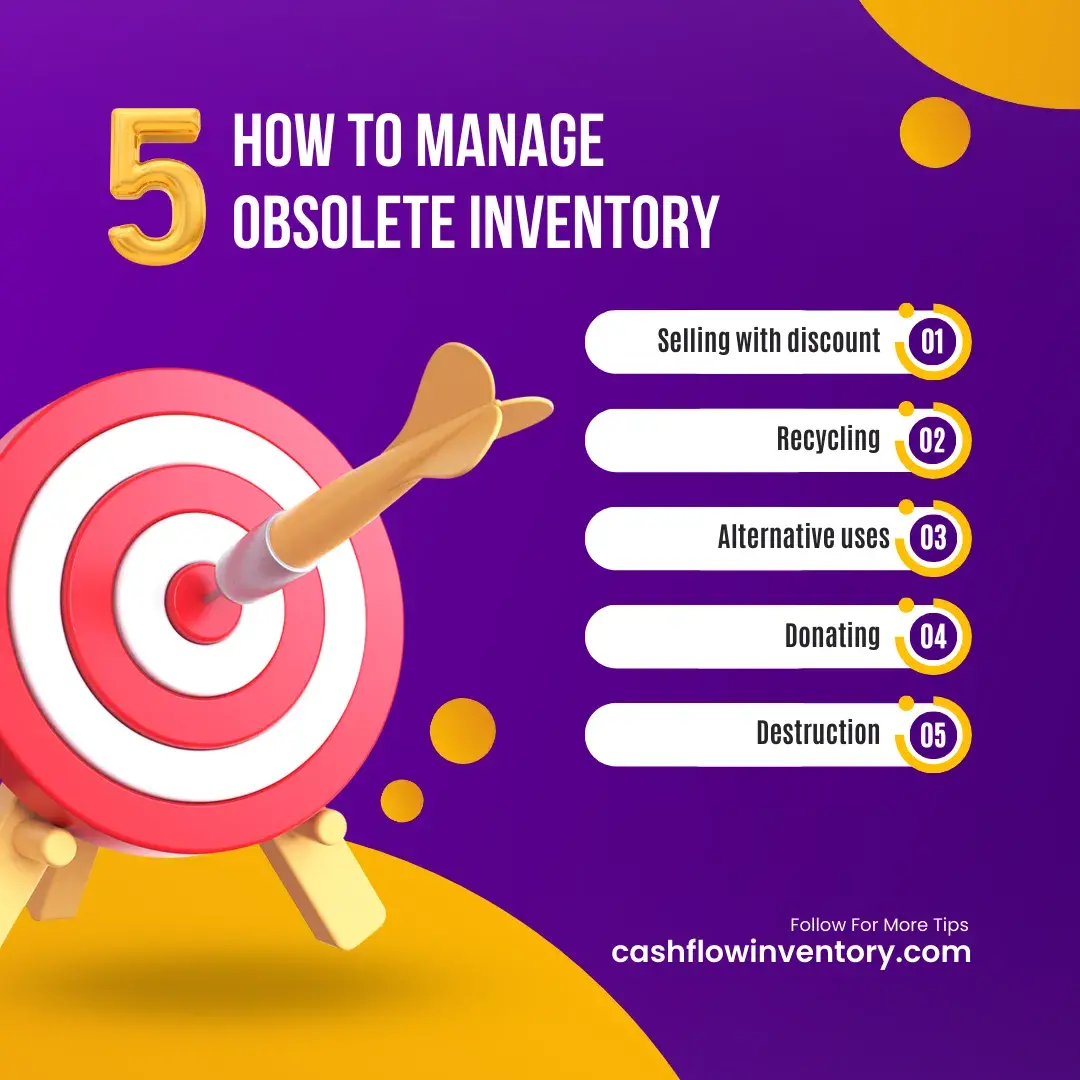
Obsolete inventory refers to goods or materials that a company has on hand but can no longer use or sell due to…
Inventory aging is a method used by businesses to analyze the age of their inventory and determine its value. The process involves…
An inventory management system is a software solution or set of processes that helps businesses track and manage their inventory levels, orders,…
The Kanban system is a lean manufacturing methodology that originated in Japan and is used to manage and control the flow of…