Inventory Replenishment: The Complete Guide for Restocking
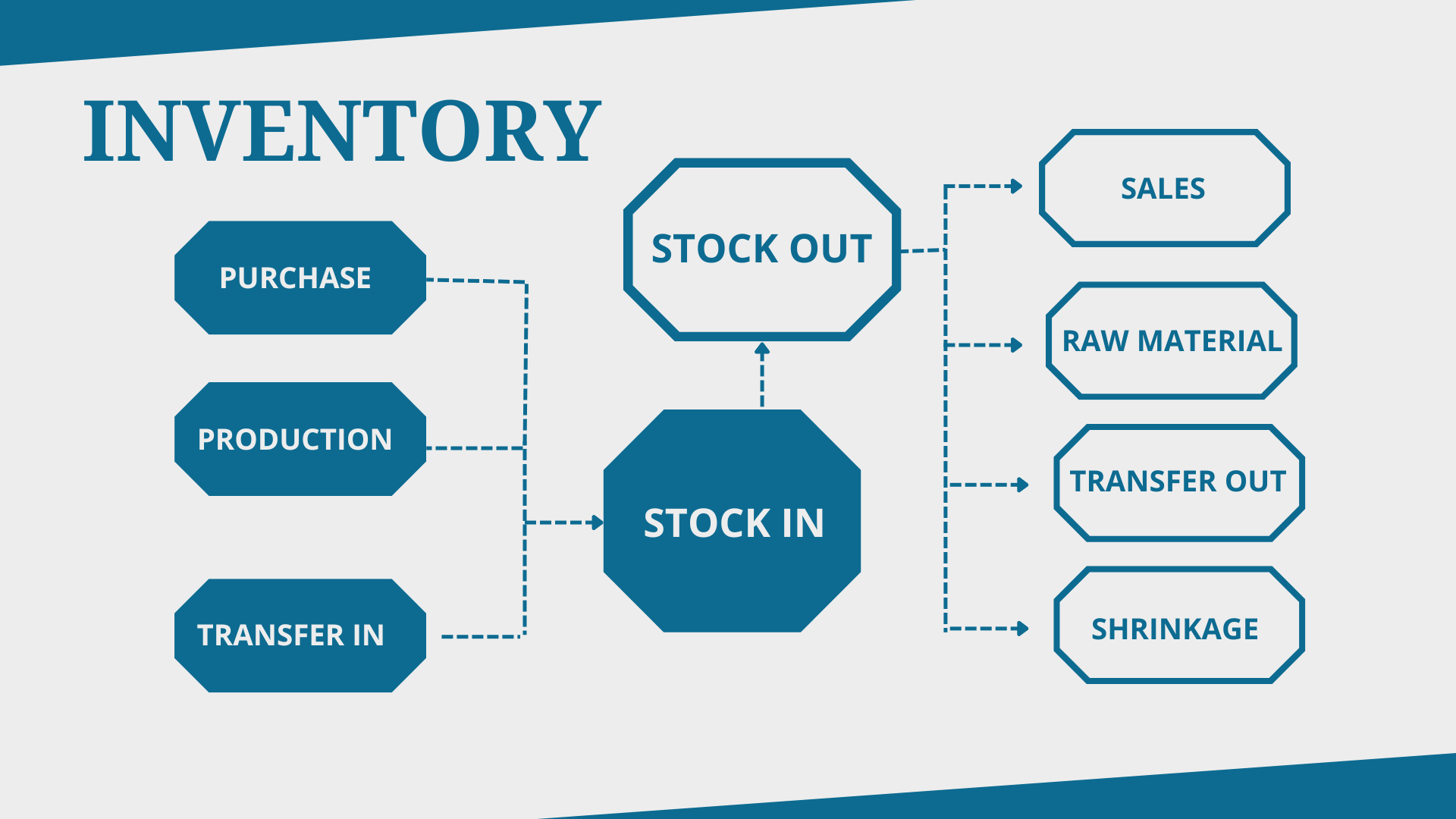
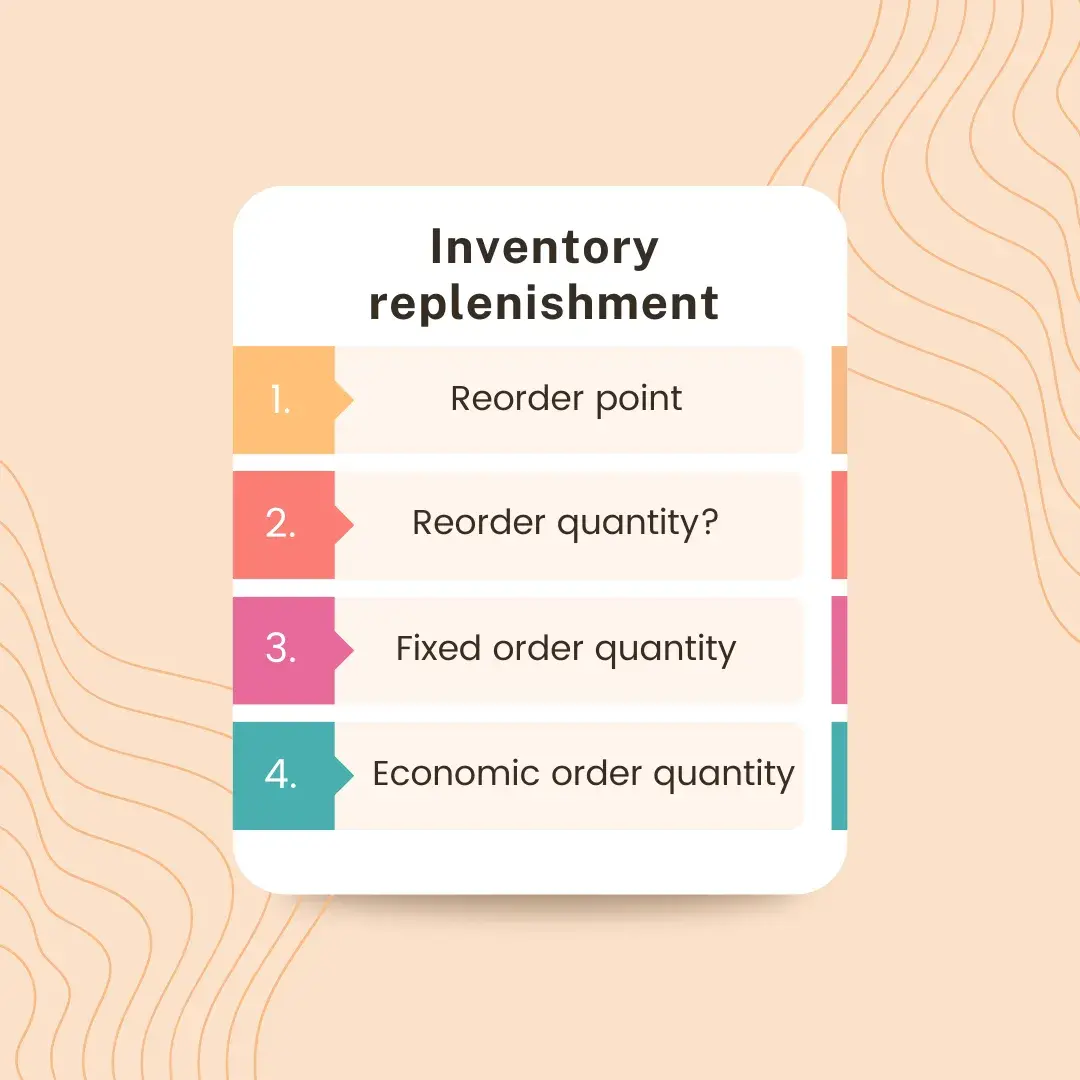
Inventory replenishment refers to the process of restocking and maintaining an optimal level of inventory in a business. In the retail business,…
Sign in to your account to continue
We'll send a secure reset link to this address.
No account? Start free — no card needed
Browse all articles in this category.
Inventory replenishment refers to the process of restocking and maintaining an optimal level of inventory in a business. In the retail business,…
Inventory management is the process of overseeing and controlling the movement of goods in a company, from the time they are ordered…
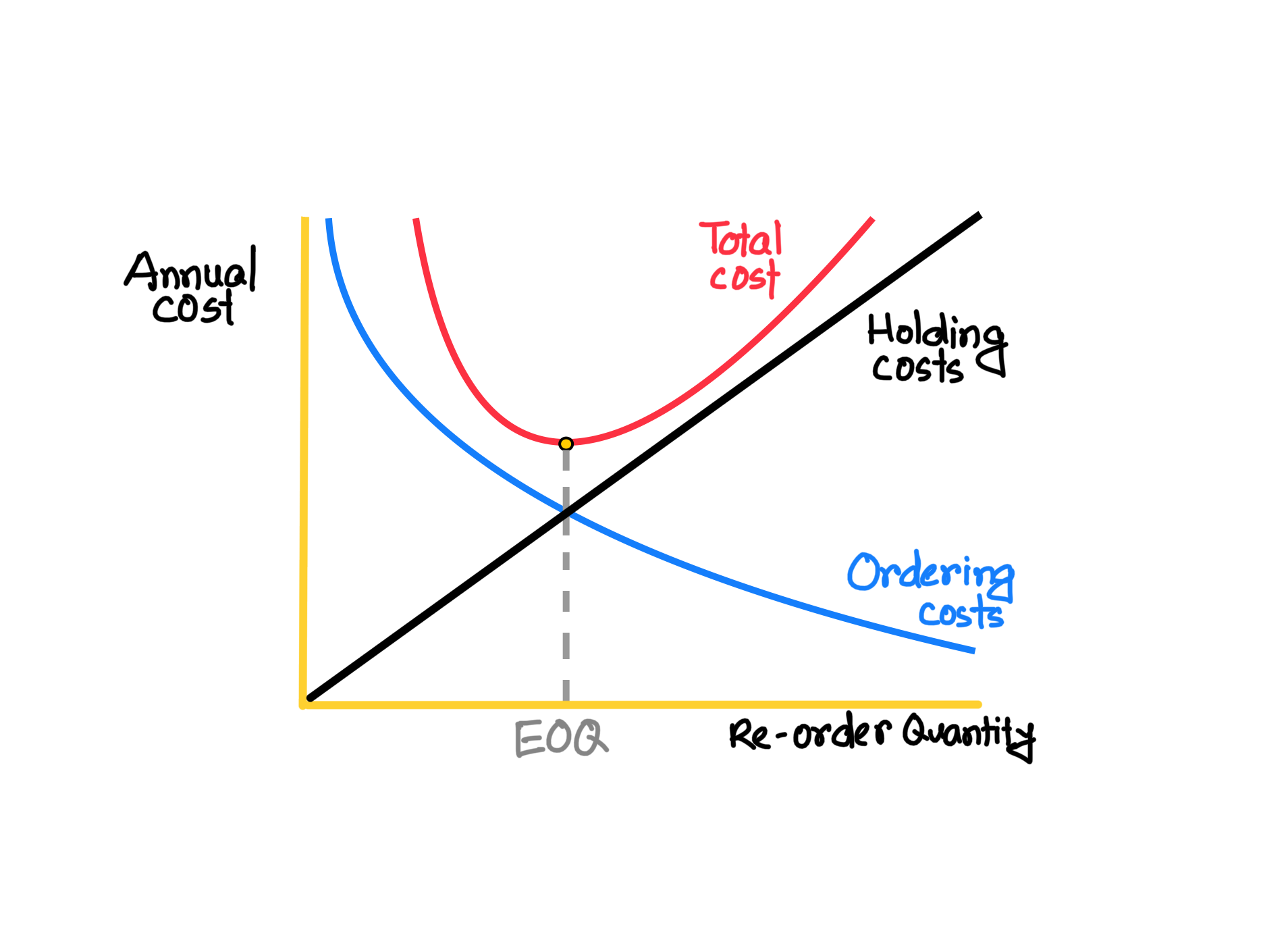
Economic Order Quantity (EOQ) is an inventory management method that determines the optimal quantity of items to order to minimize the total cost…
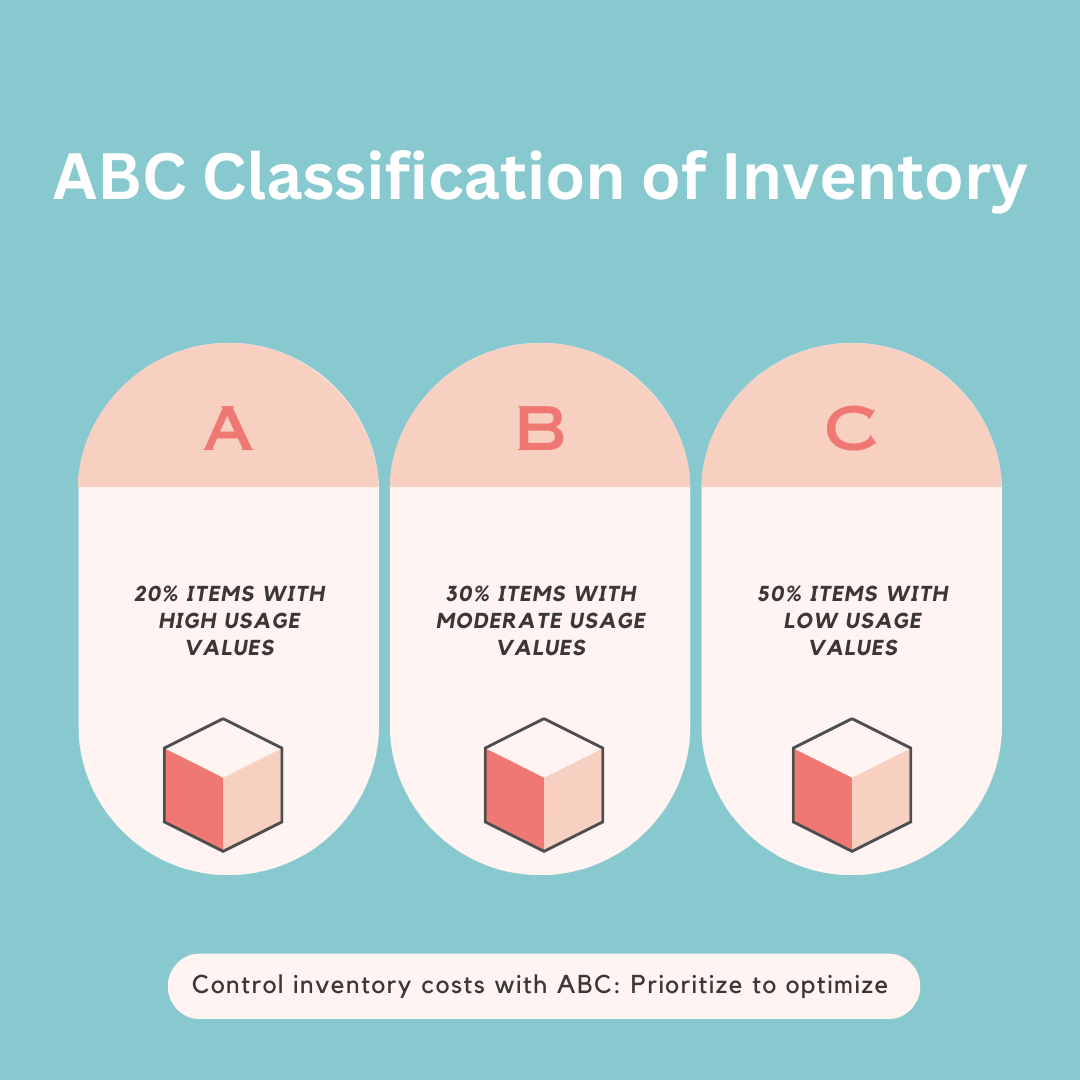
ABC analysis is an inventory management technique that categorizes items into three groups (A, B, and C) based on their value and importance…
A stockout occurs when a product or item is unavailable for purchase at the point of sale, despite being in demand. This…
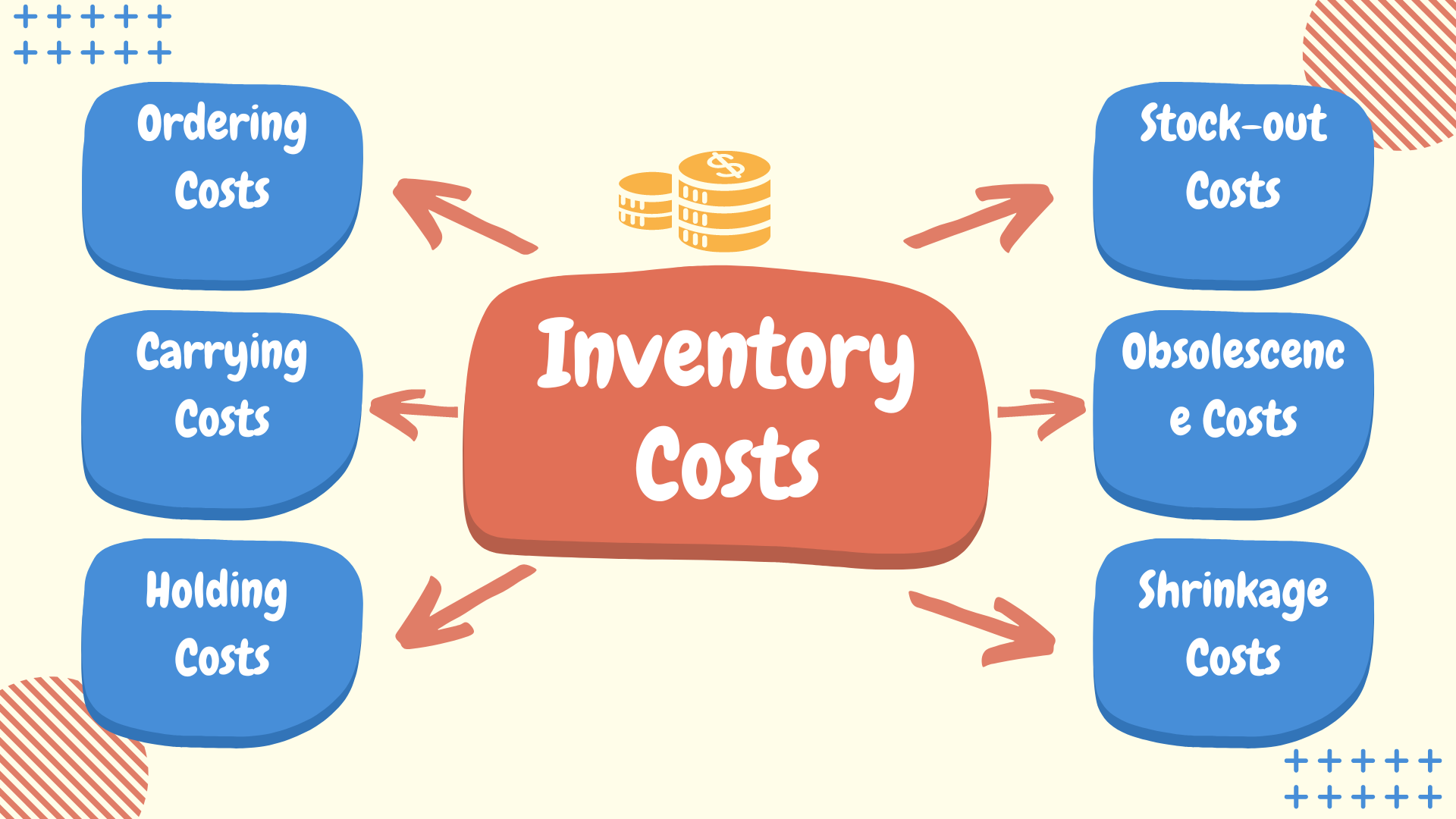
Inventory costs are the expenses incurred in holding or storing goods for sale. It includes costs such as purchasing, storage, handling, insurance,…
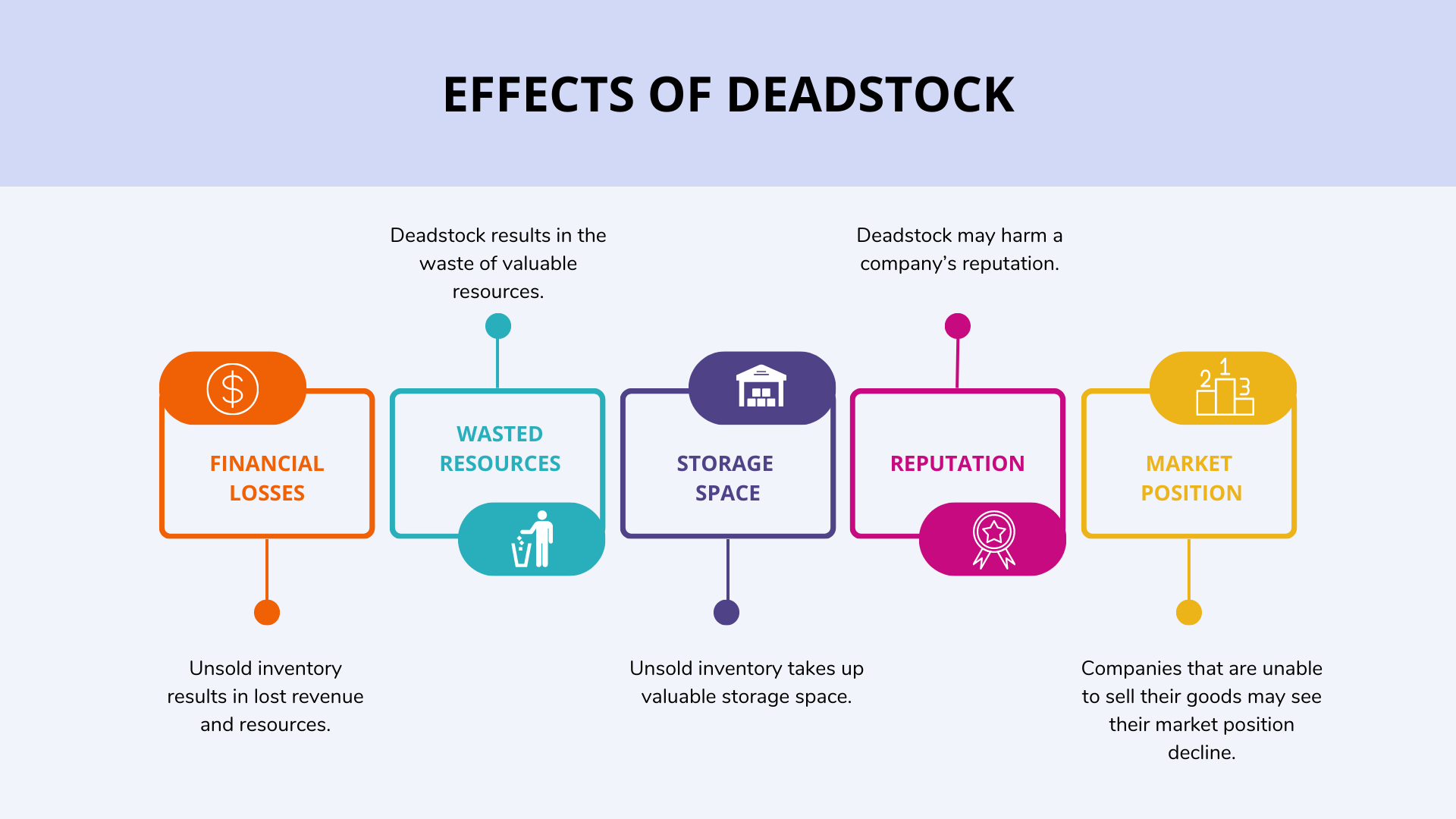
Deadstock inventory is the unsold items for a specific period. The items with no sales for a specific period, like those with…
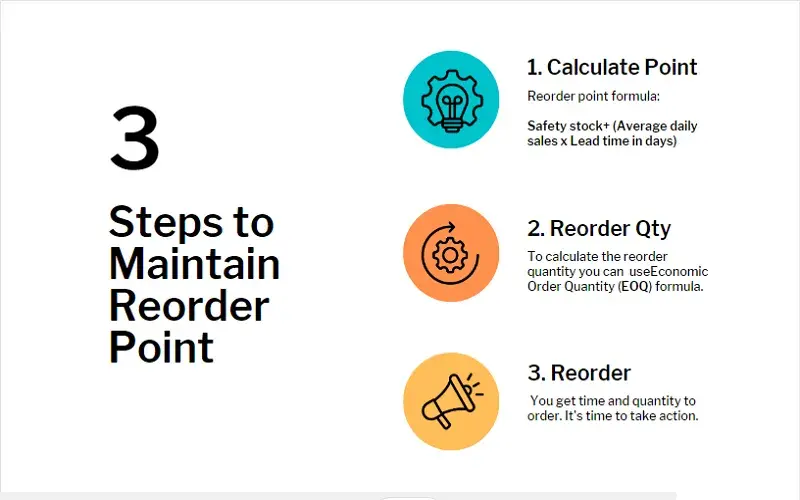
A reorder point (ROP) is the minimum inventory level that triggers a replenishment order for a specific item. In essence, it’s a…
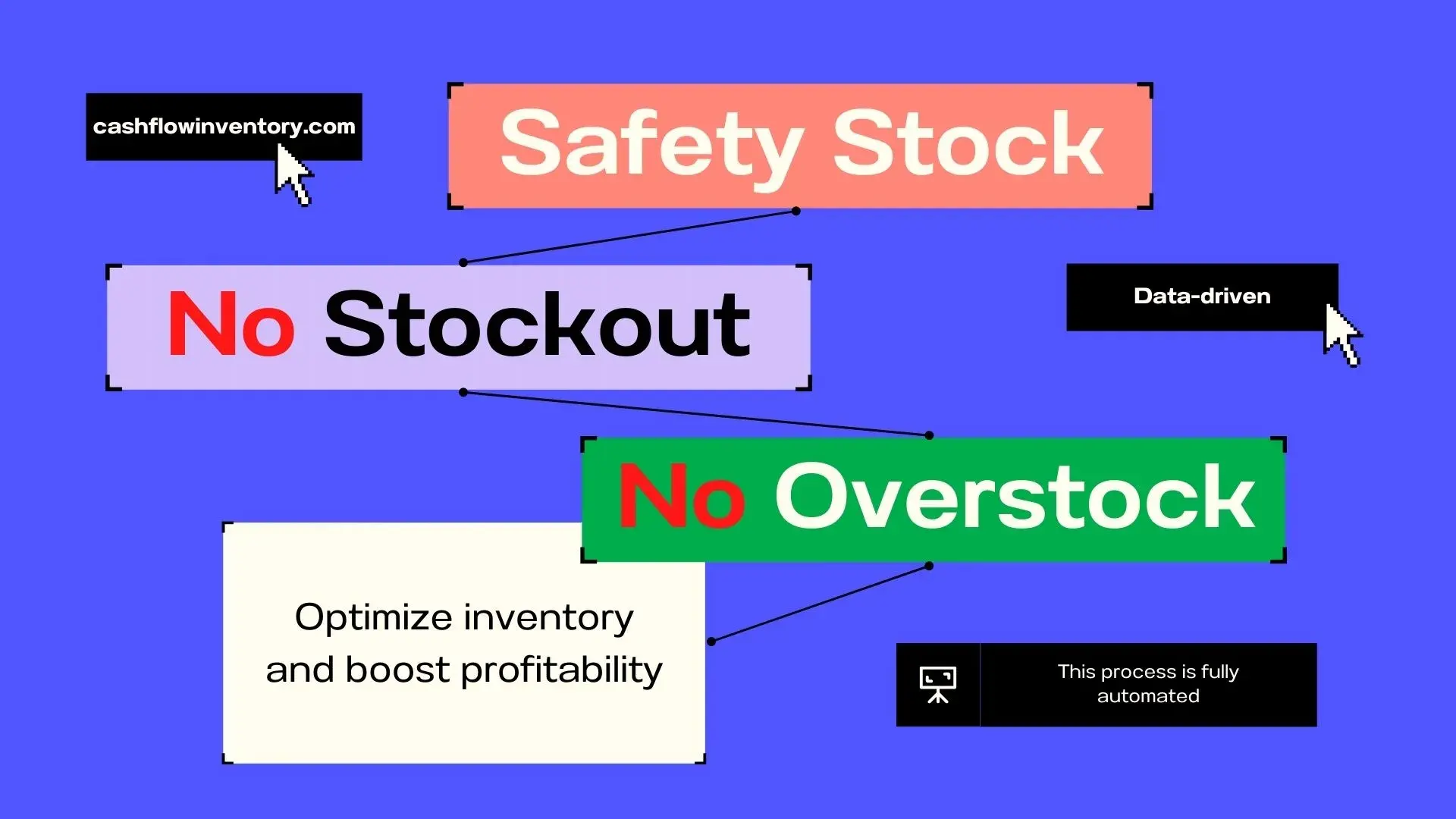
Safety stock is an extra quantity of an item held in inventory to reduce the risk of stockouts. It acts as a…
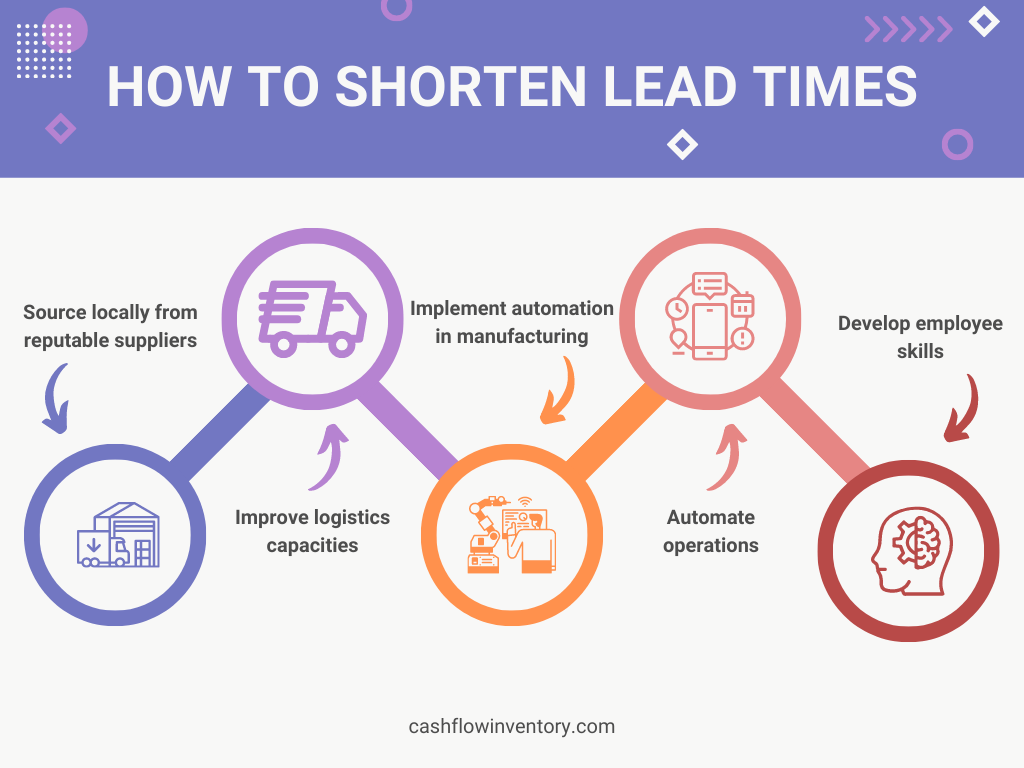
Lead time is the time needed to complete a process from start to finish. It may be used for various types of…
Join thousands of businesses using Cash Flow Inventory to manage stock, track finances, and grow smarter — completely free to start.