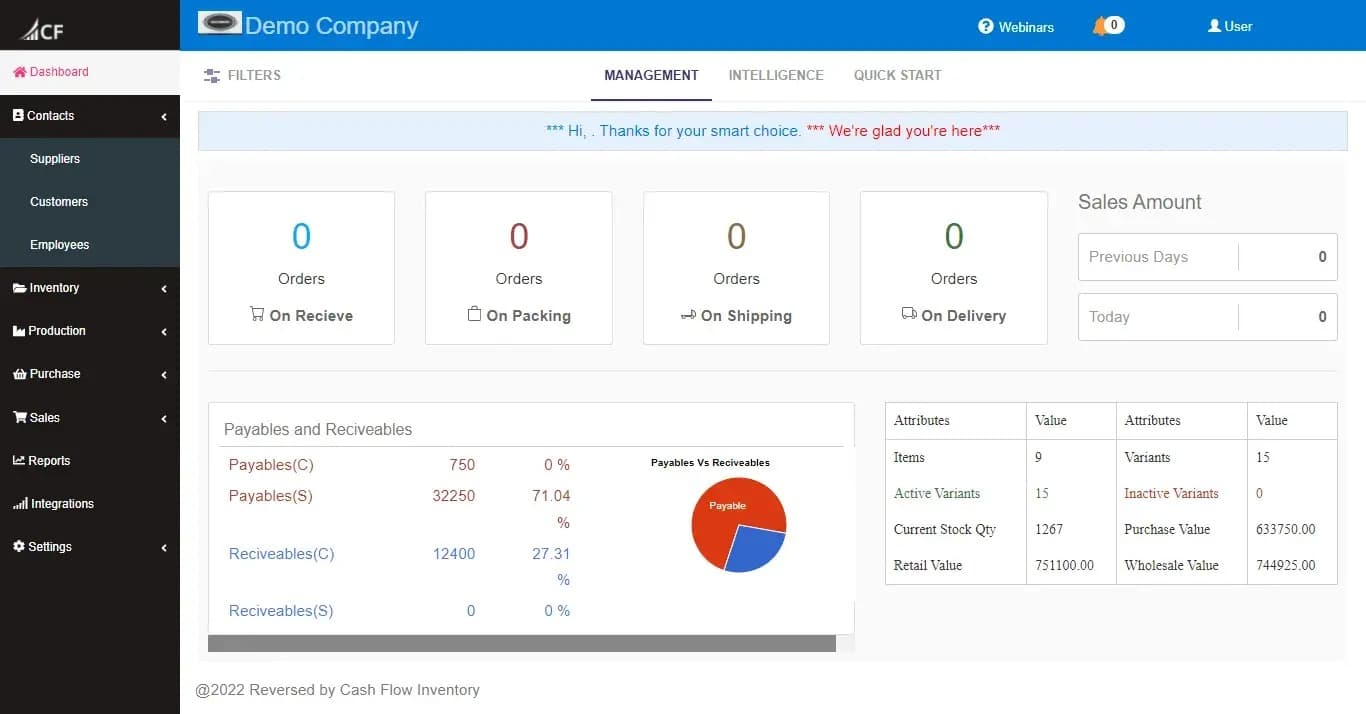
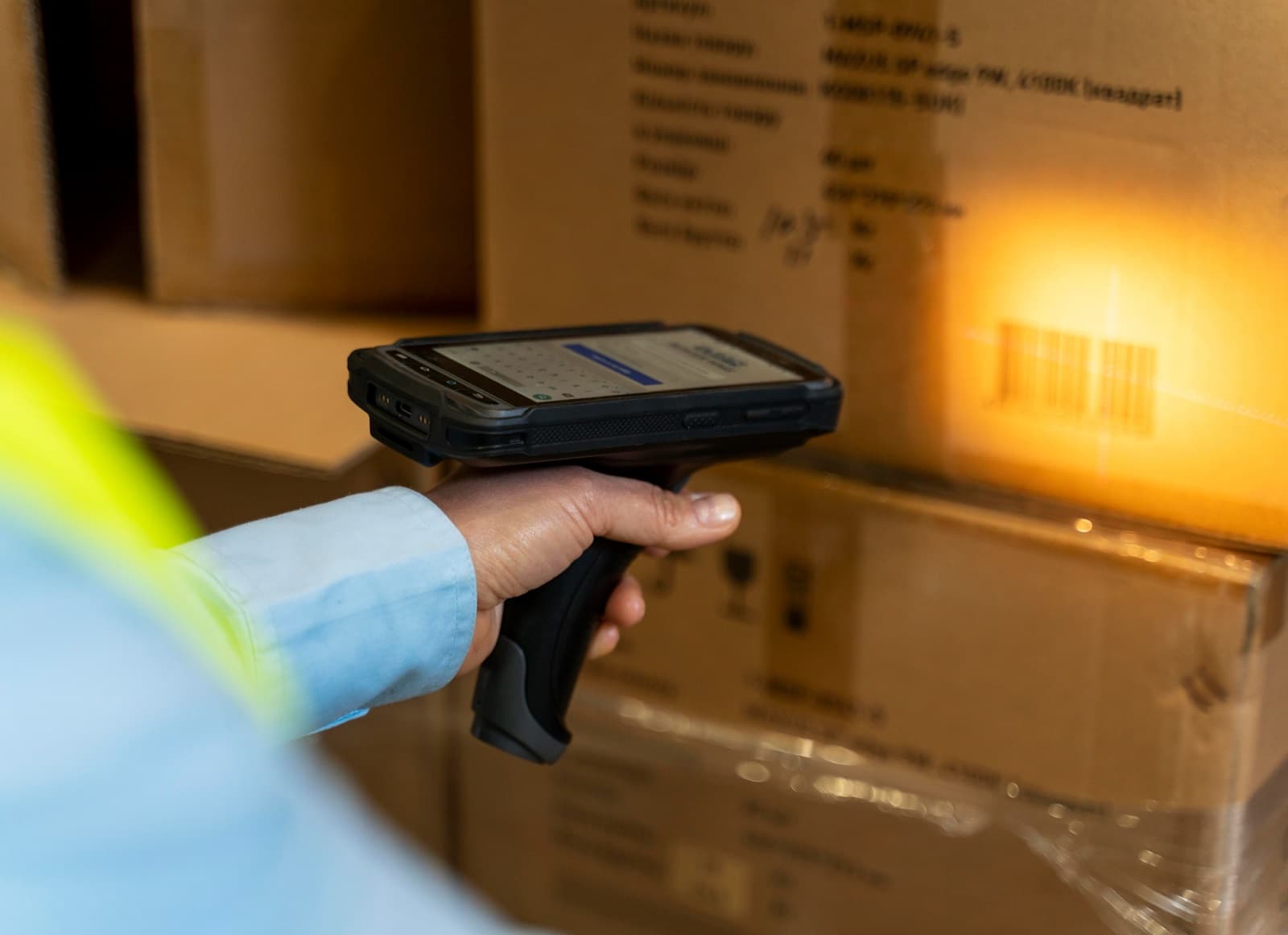
In today’s fast-paced business world, staying ahead often means embracing new technologies that streamline operations and improve efficiency. For small and medium-sized businesses (SMBs), managing…
Inventory control is an essential aspect of business operations that involves managing the levels of stock or inventory held by a company.…
Forecasting demand for a new product, especially when you have limited or no historical data, can be challenging. However, there are a…
Cost-cutting is the process of identifying and reducing unnecessary expenses in a business. It is a common strategy used by businesses to…
Predictive planning is a data-driven approach to planning that uses statistical methods and machine learning to forecast future outcomes. It can be…
Inventory loss is the reduction in the quantity of inventory that a business holds due to unforeseen or unexpected circumstances. It can…
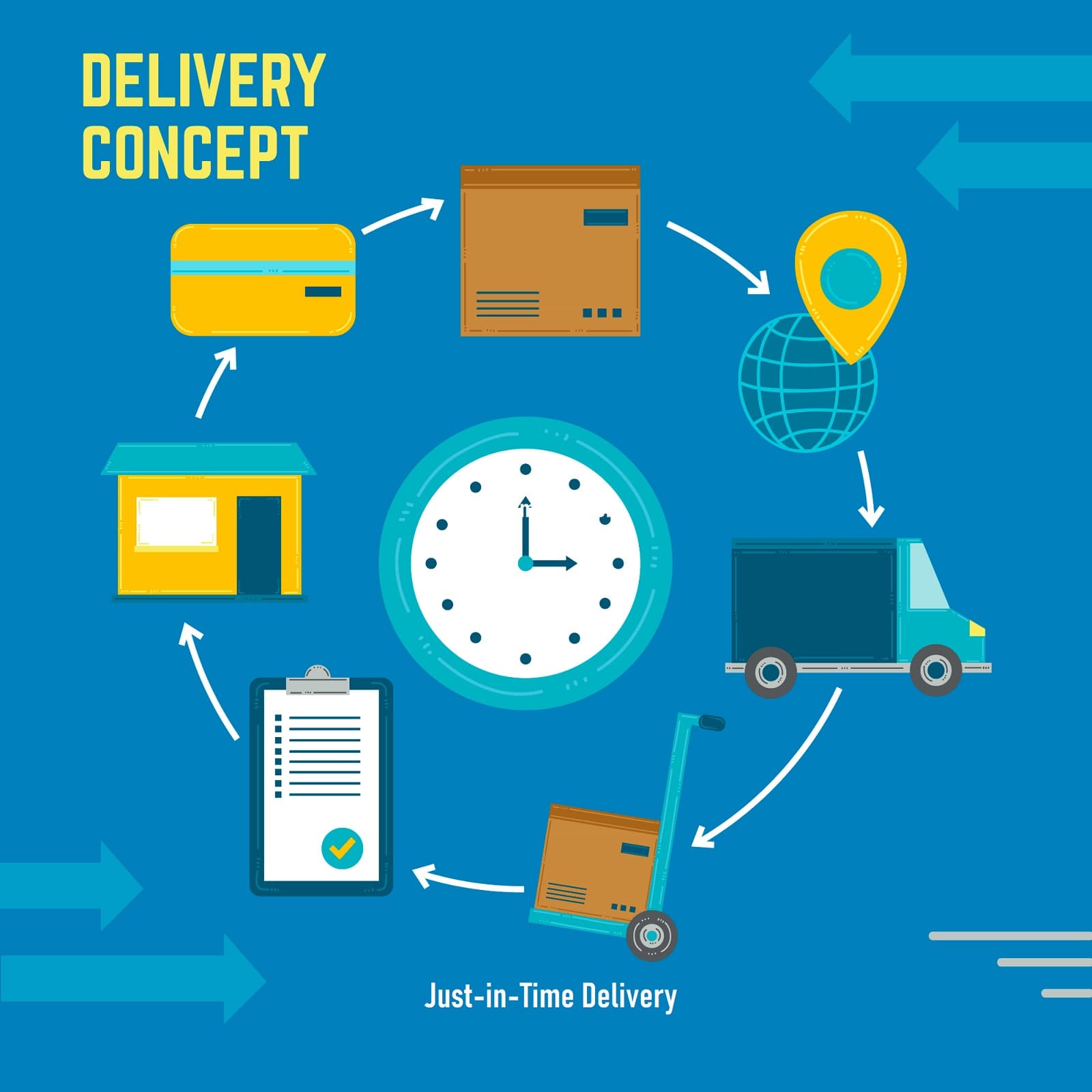
Just-in-time (JIT) delivery is a supply chain management strategy in which goods are delivered to customers or production facilities only when they…
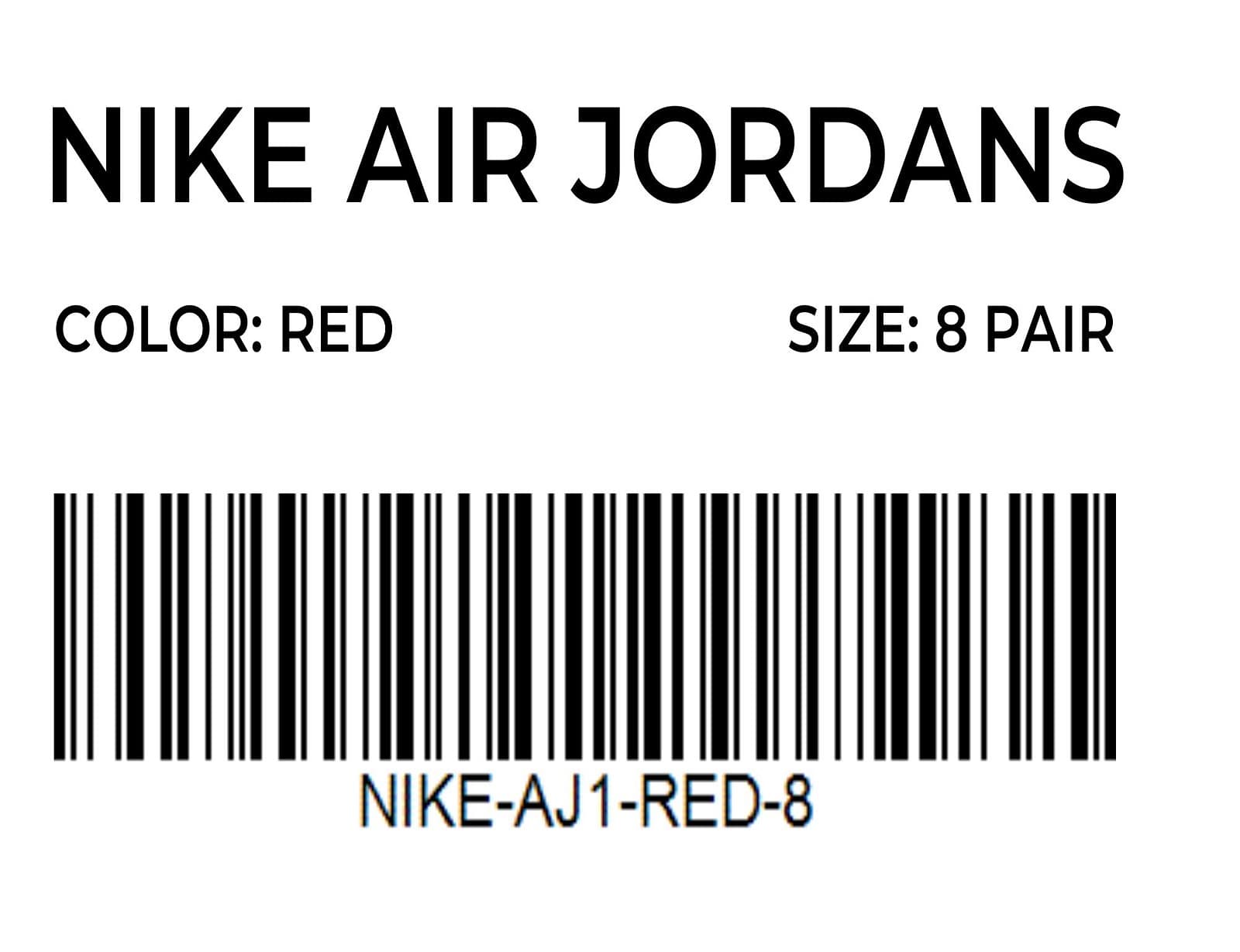
Barcode tagging is the process of attaching a barcode label to a product or asset. Barcode labels are machine-readable symbols that encode…
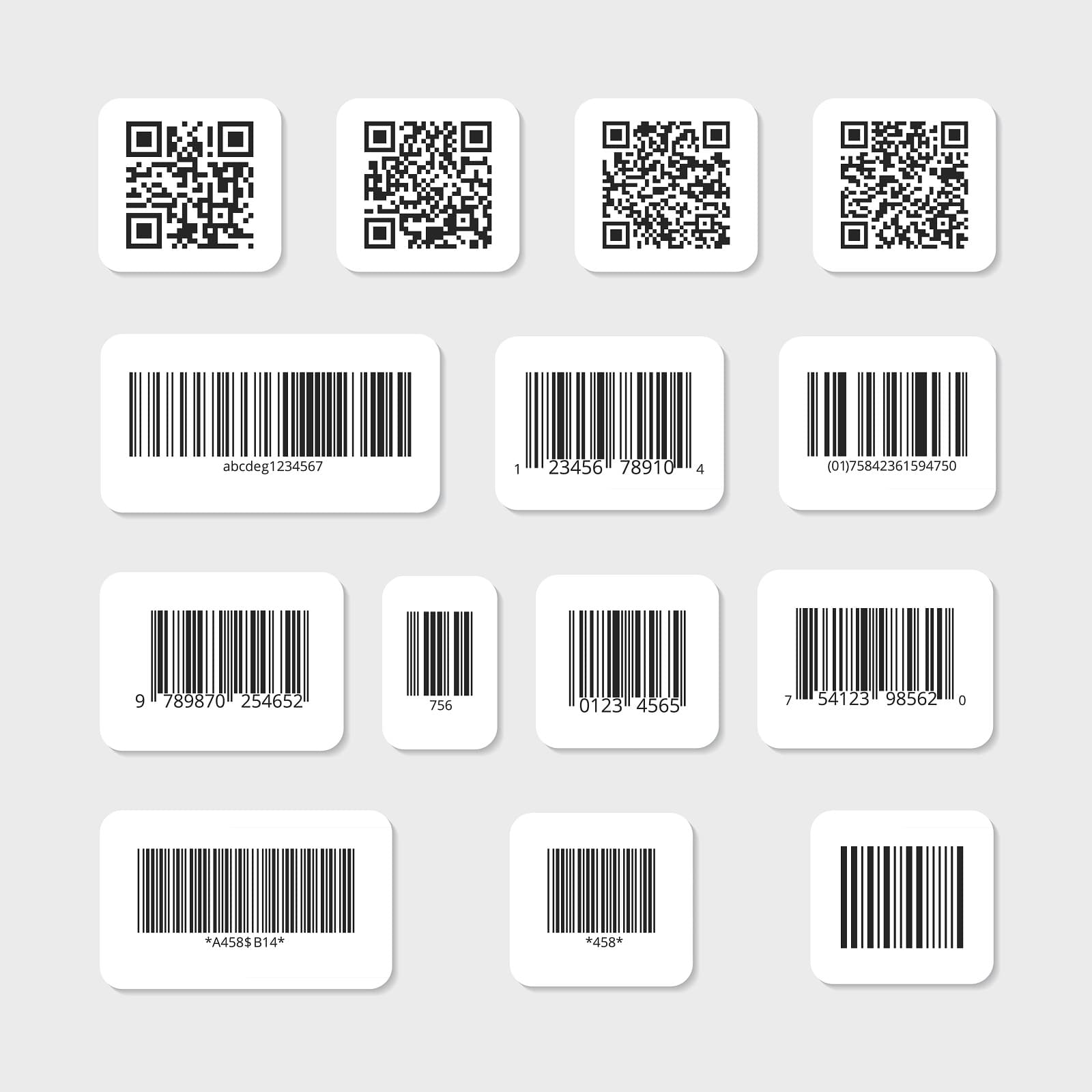
QR codes and barcodes are both machine-readable optical labels that can be used to store and transmit information. However, they differ in…
A stock keeping unit (SKU) is a unique code that businesses use to identify and track products. SKUs are typically assigned by…
A barcode inventory system is a method of tracking inventory using barcodes. Barcodes are unique identifiers that are printed on labels and…