In today’s fast-paced business world, staying ahead often means embracing new technologies that streamline operations and improve efficiency. For small and medium-sized businesses (SMBs), managing…
Service inventory management is the process of managing the availability and delivery of services to customers. It involves overseeing the inventory of…
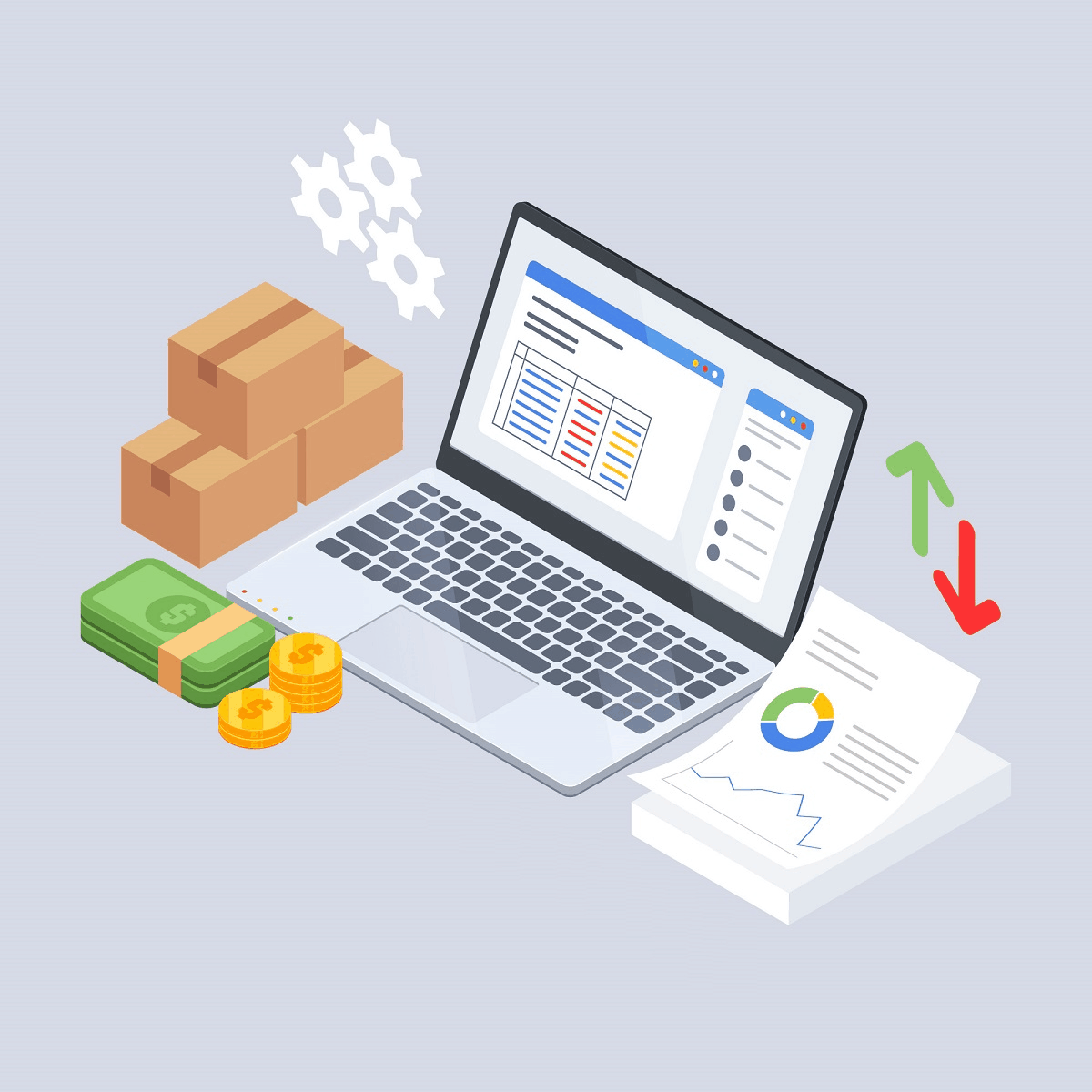
Cloud-based inventory management refers to the use of software applications that are hosted on remote servers and accessed over the internet to…
Inventory management is a critical aspect of running a successful small business. Properly organizing inventory can help businesses optimize operations, reduce waste,…
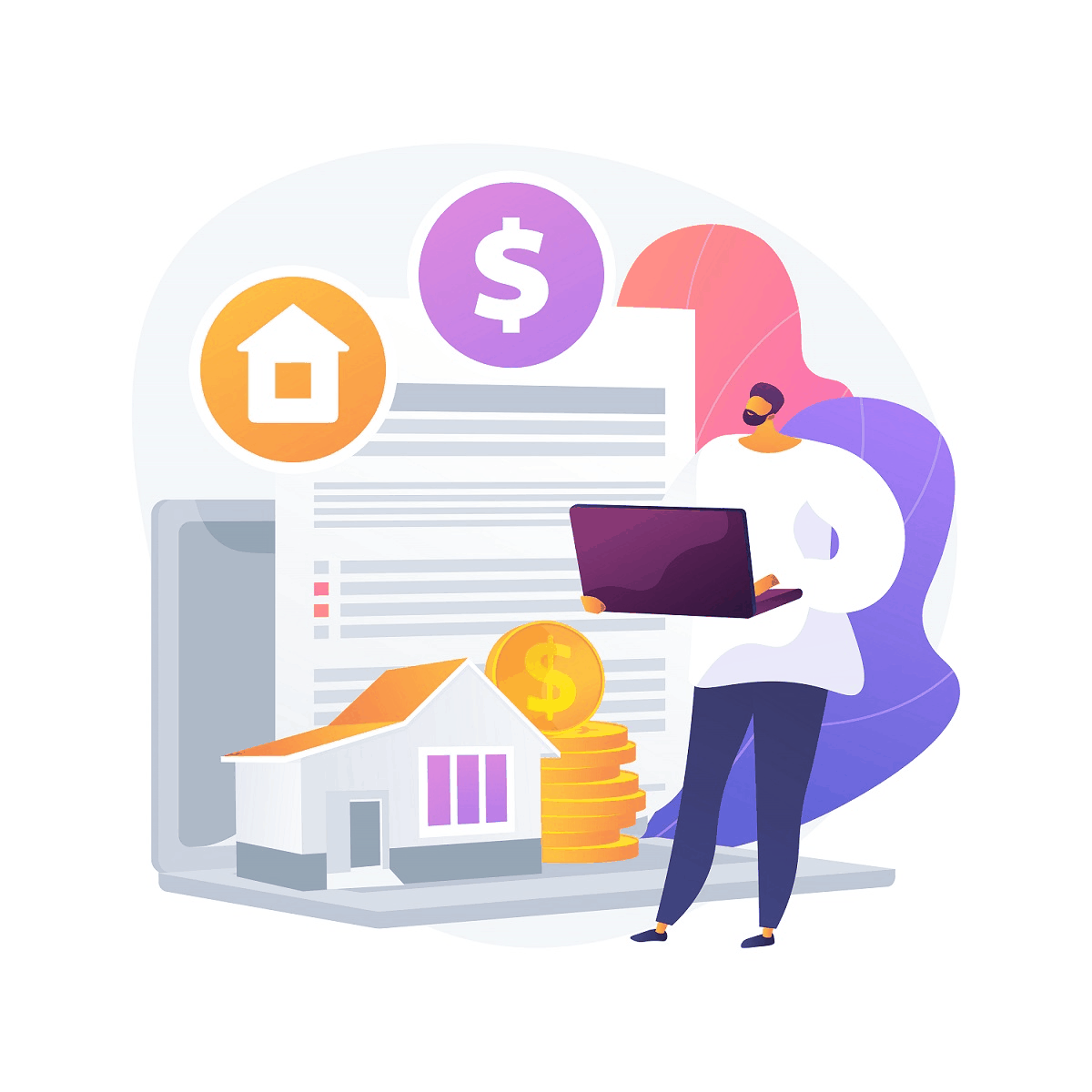
As a business owner, keeping track of your expenses and profit is essential to understand your financial performance and make informed decisions…
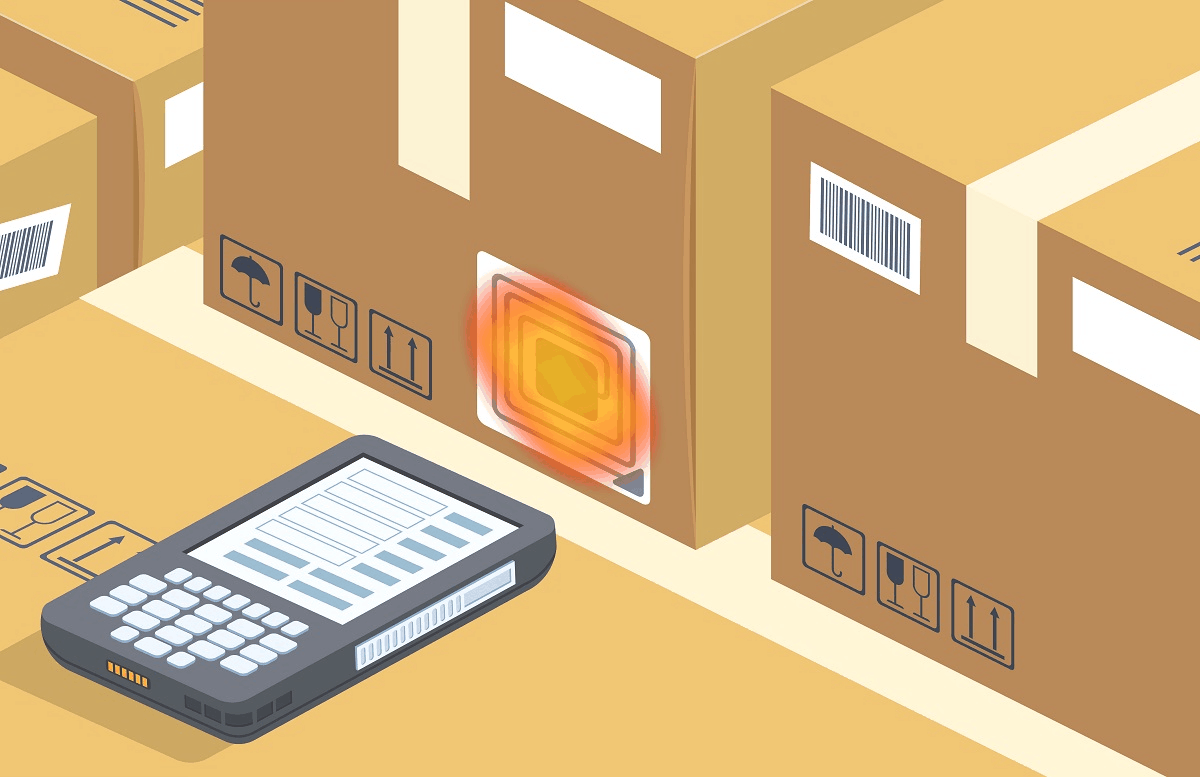
RFID (Radio Frequency Identification) and barcode technologies are both used for tracking and managing inventory, but they work in different ways. A…
Assets refer to all the resources that a company owns or controls that can provide future economic benefits. These resources can be…
Supplies are items that are used to run the daily operations of a business. They are not necessarily a component of the…
Procurement is the process of acquiring goods and services for a business. It involves identifying the need for a product or service,…
A purchase requisition is a formal request made by an individual or department within an organization to the purchasing department or manager,…
Beginning inventory refers to the total value of inventory that a business has on hand at the beginning of a specific accounting…